 JustWatch
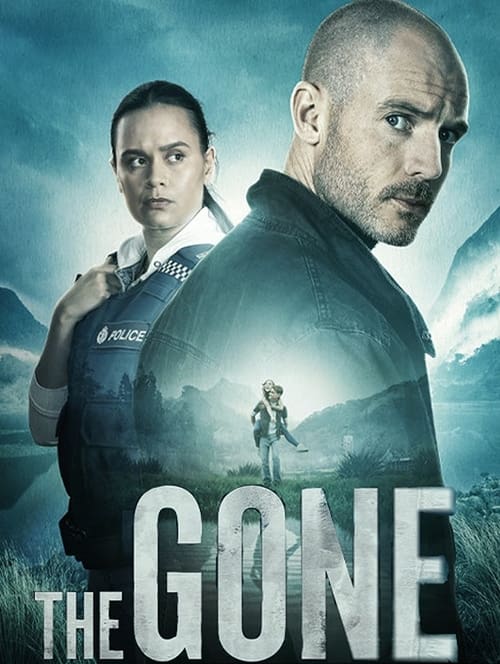 The Gone
Drama, Mystery, Thriller

 6.1 / 10

BritBox
Subscription
6.1 / 10
Based on Sara Collins’ award-winning novel of the same name, which is set against the dazzling opulence of Georgian London, this powerful drama follows the eponymous Frannie’s journey from a Jamaican plantation to the grand Mayfair mansion of celebrated scientist George Benham and his exquisitely beautiful wife, Madame Marguerite Benham.
Independent reviews from the Compare TV editorial team.
The Confessions of Frannie Langton is a visually arresting film that deftly weaves together themes of identity, race, and the quest for belonging. Directed by Andrea Harkin, the film follows Frannie, who escapes the brutality of a Jamaican plantation for a life of opulence in Georgian London. The pe ... Show more >>
The Confessions of Frannie Langton is a film that promises much but, at times, falls a bit short of its ambitious goals. The premise is fascinating, transporting viewers to a richly depicted Georgian London, yet the pacing can be uneven, leaving some character arcs underdeveloped. The performances a ... Show more >>
Common themes and sentiments
The JustWatch Streaming Charts are calculated by user activity from the last 24 hours.
| Rank | Title | Highest Rank | Streaming |
|---|
The Gone
Drama, Mystery, Thriller
 Life and Dirt
Drama, Mystery, Thriller
 Smiley's People
Thriller, Drama, Mystery
 Bestseller
Thriller, Drama, Mystery
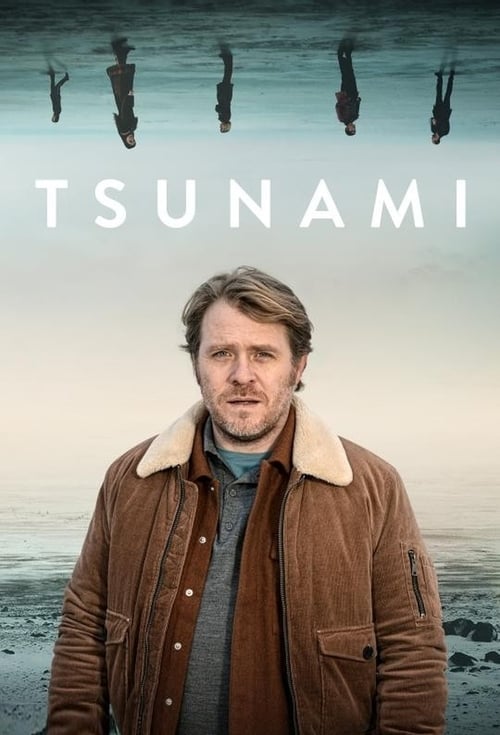 Tsunami: The Aftermath
Drama, Mystery, Thriller
 The Wilds
Drama, Thriller, Mystery
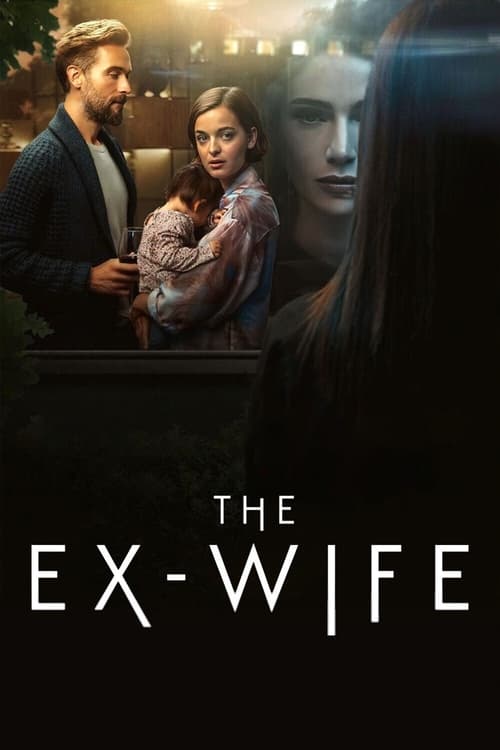 The Ex-Wife
Drama, Mystery, Thriller
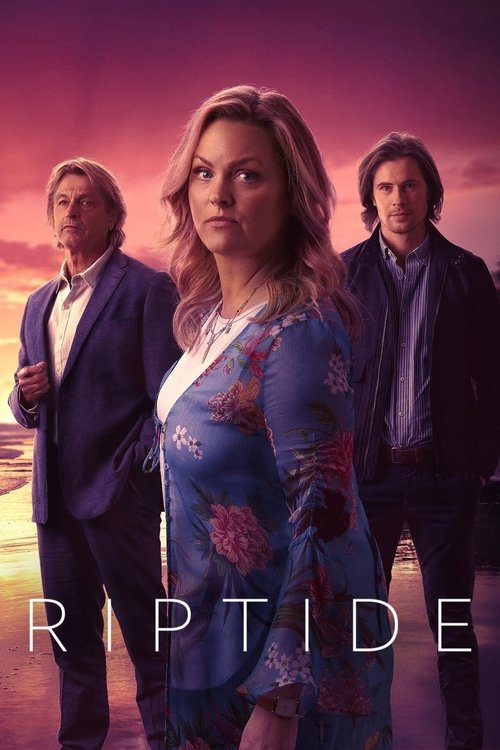 Riptide
Drama, Mystery, Thriller
 The Devil's Hour
Thriller, Mystery, Drama
 Past Lies
Drama, Mystery, Thriller
 Adamas
Mystery, Drama, Thriller
 Sebastian Fitzek's Therapy
Mystery, Drama, Thriller
 Little Fires Everywhere
Drama, Mystery, Thriller
 Traición
Mystery, Thriller, Drama
 Revenge
Drama, Mystery, Thriller
 Innocent Vengeance
Thriller, Mystery, Drama
 The Forgiven
Thriller, Drama, Mystery
 Saltburn
Thriller, Drama, Mystery
 Memento
Mystery, Thriller, Drama
 Drushyam 2
Thriller, Mystery, Drama
 Kaashi in Search of Ganga
Thriller, Mystery, Drama
 Last Ones There
Drama, Mystery, Thriller
 Cold Creek Manor
Thriller, Drama, Mystery
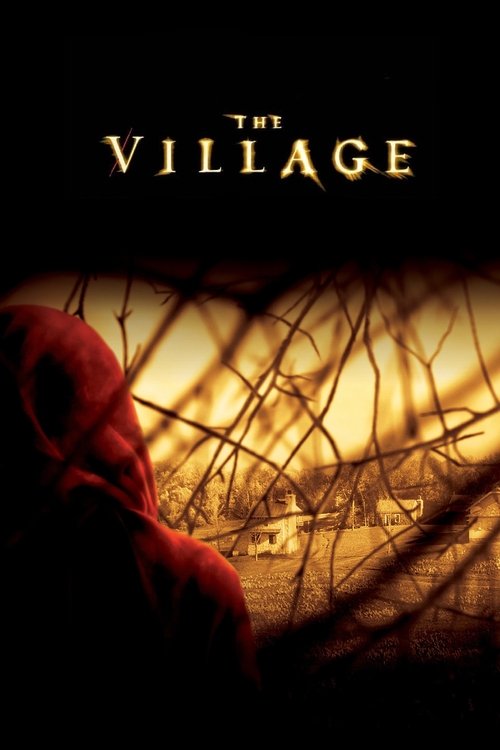 The Village
Thriller, Drama, Mystery
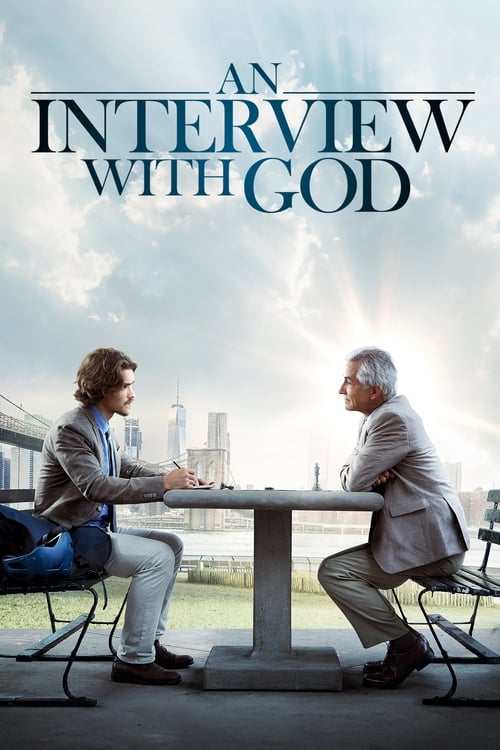 An Interview With God
Drama, Mystery, Thriller
 Absolution
Drama, Mystery, Thriller
 Painter
Thriller, Mystery, Drama
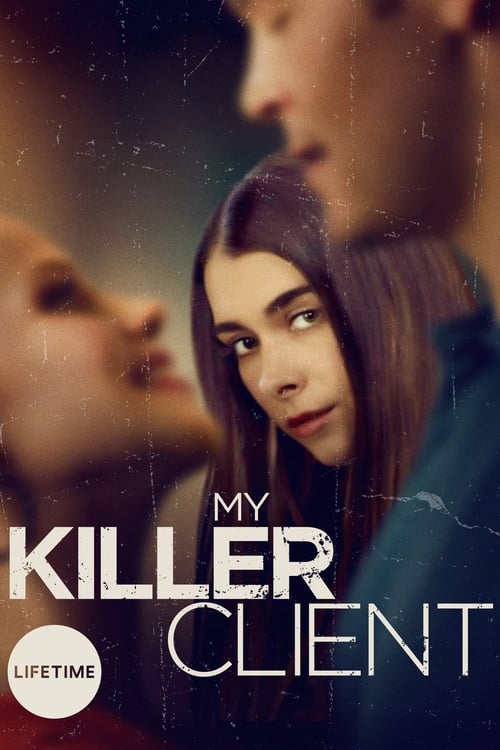 My Killer Client
Thriller, Mystery, Drama
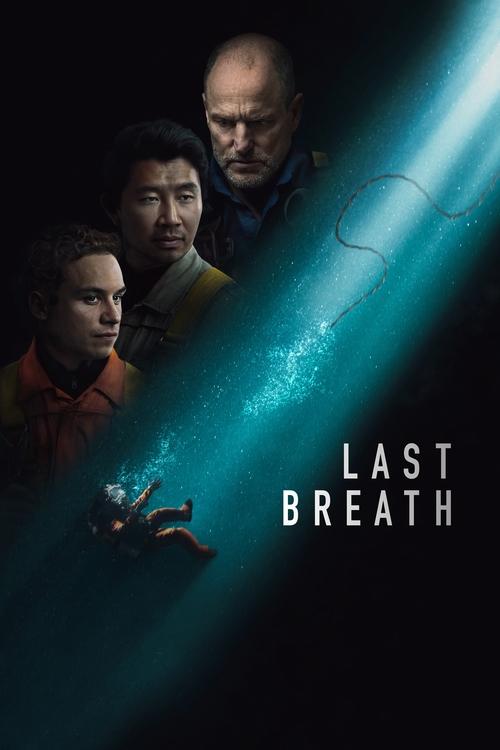 Last Breath
Mystery, Thriller, Drama
 The Secrets We Keep
Thriller, Drama, Mystery
Yes, The Confessions of Frannie Langton is worth watching for its rich storytelling and powerful performances. The film, based on Sara Collins' novel, explores themes of identity, race, and the complexities of love and betrayal set against the backdrop of Georgian London. The cinematography captures both the opulence and darkness of the era, making for a visually stunning experience that complements the emotional depth of the narrative.
The Confessions of Frannie Langton tells the story of Frannie, a woman who transitions from a Jamaican plantation to the lavish life in Mayfair with scientist George Benham and his wife, Madame Marguerite. The film delves into Frannie's struggles with her past, her search for belonging, and her complex relationships, ultimately questioning societal norms and the concept of freedom. It is a poignant exploration of identity and the impact of colonialism.
The Confessions of Frannie Langton is not particularly suitable for children due to its mature themes, including violence and sexual content. The film addresses serious issues such as slavery and personal trauma, which may not be appropriate for younger audiences. Parental discretion is advised if considering it for family viewing.
If you enjoyed The Confessions of Frannie Langton, you might also like films such as Belle, which explores themes of race and identity in a historical context, or The Underground Railroad, which offers a gripping portrayal of the struggle for freedom. Other similar films include Amistad and 12 Years a Slave, both of which tackle the complexities of slavery and personal resilience.
Spoiler alert: At the end of The Confessions of Frannie Langton, Frannie confronts her past and the truth about the events leading to the deaths of the Benhams. The conclusion leaves viewers with a sense of ambiguity regarding her fate, reflecting the ongoing struggles of her identity and the lingering effects of her traumatic experiences.
Currently, there is no sequel to The Confessions of Frannie Langton. The film is a standalone adaptation of Sara Collins' novel, which itself does not have a sequel. However, the rich themes and character development leave room for further exploration in discussions or potential adaptations in different formats.
The Confessions of Frannie Langton has received a positive critical reception, with praise for its stunning visuals, compelling performances, and the depth of its narrative. Critics have highlighted the film's ability to address complex themes such as race, identity, and personal trauma in a historical context, making it a significant addition to contemporary cinema.
The Confessions of Frannie Langton was directed by Andrea Harkin. Known for her strong visual storytelling and character-driven narratives, Harkin brings a unique perspective to this adaptation, effectively capturing the emotional weight of the source material.