
Where to watch Tiger on the Rocks in Australia
We could not find a streaming service for this title in Australia right now. Check back soon.
Streaming availability data from JustWatch.
About Tiger on the Rocks
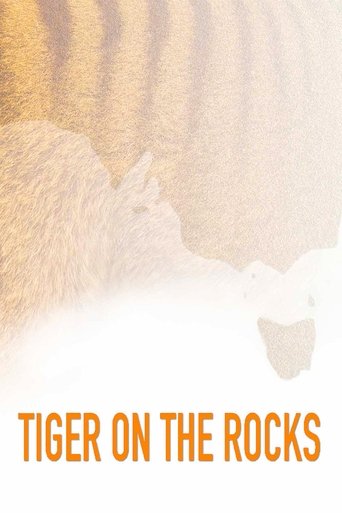
The Tasmanian Tiger twists and turns depending on how it's seen. Sheep-killing beast or tragic victim of human induced extinction. Ancient painting on a rock or vivid ancestor spirit. Lost forever, or a timely reminder to respect the connection between human and animal, culture, nature and country. In stunning landscapes across Australia where Thylacines once roamed, people from wide-ranging traditions share their experiences: First Nations artists, rangers and custodians; biologists, bone hunters and archaeologists. Multiple insights combine to throw light on Australia's most wanted animal.
- Year
- 2024
- Genres
- History, Documentary
- Runtime
- 55mins
- Director
- Cathryn Vasseleu
- Top cast
- Rachael Maza Long
Tiger on the Rocks trailer
 Play video: Tiger on the Rocks trailer
What our critics think
Independent reviews from the Compare TV editorial team.
Review Team
★★★★★4/5
Tiger on the Rocks is a poignant exploration of the enigmatic Tasmanian Tiger, blending personal stories with broader environmental themes. Directed by Cathryn Vasseleu, the film offers a rich tapestry of perspectives, from First Nations custodians to scientists, each contributing to a multifaceted discussion about extinction and conservation. The cinematography is breathtaking, capturing Australia's diverse landscapes where the Thylacine once roamed, while the narrative deftly shifts between history and present-day concerns. While the emotional weight of the subject matter may be heavy, it is balanced with moments of beauty and hope. The film's ability to provoke thought while celebrating cultural connections makes it a significant addition to the documentary genre. Overall, Tiger on the Rocks is an engaging and reflective viewing experience that encourages audiences to consider their role in the stewardship of our planet.
Editor Team
★★★★★3.5/5
Tiger on the Rocks is an intriguing documentary that dives into the mystery of the Tasmanian Tiger, but it sometimes feels like it bites off more than it can chew. The film is visually stunning, showcasing Australia’s landscapes beautifully, but the pacing can be uneven. At times, it feels like a collection of interviews rather than a cohesive story. The voices of First Nations artists and biologists are compelling, yet I wished for deeper exploration of their insights. There are moments of genuine emotion that resonate, particularly when discussing loss and extinction, but the film occasionally skims the surface of these profound topics. Despite its flaws, Tiger on the Rocks is a thought-provoking film that raises important questions about humanity's connection to nature, making it worth a watch for those passionate about wildlife and conservation.
How viewers describe this
- thought-provoking
- visually stunning
- poignant
- uneven pacing
- emotional weight
- culturally rich
- engaging
- reflective
- significant
- intriguing
- compelling
- urgent
Streaming Charts
The JustWatch Streaming Charts are calculated by user activity from the last 24 hours.
| Rank | Title | Highest Rank | Streaming |
|---|---|---|---|
| 01 | 36 | ||
| 02 | 55 | ||
| 03 | 131 | ||
| 04 | 241 | ||
| 05 | 323 | ||
| 06 | 503 | ||
| 07 | 618 | ||
| 08 | 647 |
















Shows like Tiger on the Rocks
 8.6
8.6Finding Your Roots

The Ascent of Civilization
 8.0
8.0Tomb Hunters
 7.3
7.3Egypt's Unexplained Files

The Dust Bowl
 7.7
7.7Behind the Attraction

Thomas Cromwell: A Very Modern Tudor

Royal Murder Mysteries
 8.7
8.7Light & Magic
 7.2
7.2Superpowered: The DC Story

Canadian Made

Warbird Workshop
 7.5
7.5The Life of Muhammad
 9.3
9.39/11: One Day in America
 6.2
6.2Forbidden History
TV and movies like Tiger on the Rocks

Women of 9/11: A Special Edition of 20/20 with Robin Roberts
 8.0
8.0In the Shadow of the Moon
 7.6
7.6Servant or Slave
 7.3
7.3The Princess

Tales from the Royal Wardrobe
 7.5
7.5Sid & Judy
 8.0
8.0The Corporation
 6.6
6.6A Deeper Shade of Blue
 7.6
7.6Best of Enemies
 7.5
7.5Cold Case Hammarskjöld
 6.8
6.8Don't Blink: Robert Frank
Flood in the Desert

Quakers: The Quiet Revolutionaries
 7.1
7.1Jimmy Carter Man from Plains
 7.8
7.8A Good Day to Die
Got a question about Tiger on the Rocks?
Is Tiger on the Rocks worth watching?
Yes, Tiger on the Rocks is definitely worth watching for those interested in wildlife, environmental issues, and cultural narratives. The film presents a nuanced perspective on the Tasmanian Tiger, exploring its complex relationship with humans and the environment. With stunning cinematography and insightful commentary from various contributors, it captivates while prompting reflection on conservation.
What is Tiger on the Rocks really about?
Tiger on the Rocks is a documentary that examines the multifaceted narrative of the Tasmanian Tiger, also known as the Thylacine. It presents diverse viewpoints from First Nations artists, biologists, and historians, intertwining stories of loss, extinction, and cultural significance, while encouraging viewers to consider the broader implications of humanity's relationship with nature.
Is Tiger on the Rocks suitable for children?
Tiger on the Rocks is generally suitable for older children, particularly those with an interest in wildlife and environmental issues. The film contains themes of extinction and conservation that may require some maturity to fully appreciate. Parents may wish to watch it first to determine its appropriateness for younger viewers.
What films are similar to Tiger on the Rocks?
If you enjoyed Tiger on the Rocks, you might also like films such as The Last of the Tasmanian Tigers, Our Planet, and Chasing Ice. These documentaries explore themes of wildlife conservation, environmental challenges, and the human impact on nature, showcasing similar stunning visuals and thought-provoking narratives.
What happens at the end of Tiger on the Rocks?
At the end of Tiger on the Rocks, the film leaves viewers with a contemplative message about the importance of respecting the connection between humans and nature. While it does not provide a definitive conclusion on the fate of the Tasmanian Tiger, it emphasises the need for awareness and action in preserving endangered species and habitats.
Is there a sequel to Tiger on the Rocks?
As of now, there is no announced sequel to Tiger on the Rocks. However, the film's exploration of the Tasmanian Tiger and its cultural significance may inspire further discussions and projects related to wildlife conservation and storytelling.
Is Tiger on the Rocks scary?
Tiger on the Rocks is not a horror film and does not contain traditional scary elements. However, it does present themes of extinction and human impact on nature that some viewers may find unsettling. The emotional weight of the stories shared may evoke a sense of urgency rather than fear.
What is the cultural impact of Tiger on the Rocks?
Tiger on the Rocks has sparked discussions about the Tasmanian Tiger's legacy and the importance of conservation. By featuring diverse voices, including First Nations perspectives, the film highlights the need for respecting and preserving cultural and natural heritage, thereby contributing to wider conversations about environmental responsibility in Australia.