
 JustWatch
 Lost Cities with Albert Lin
Documentary, History
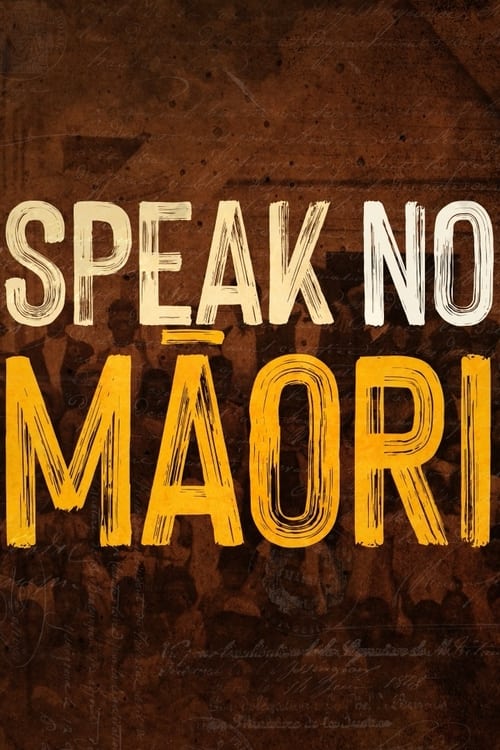
On the 50th anniversary of the Māori language petition, this documentary unpacks the history of te reo Māori in Aotearoa, from its dominance to its gradual decline and the modern day revitalisation efforts.
Independent reviews from the Compare TV editorial team.
Speak No Maori is a poignant documentary that thoughtfully examines the trajectory of the Māori language in New Zealand. Directed by Marara Katipa, the film commemorates the 50th anniversary of the Māori language petition, offering a rich exploration of the language's decline and the revitalisation ... Show more >>
Speak No Maori is a must-see for anyone wanting to understand the heartbeat of Aotearoa through its language. This documentary hits you right in the feels, taking you on a journey through the highs and lows of te reo Māori. Marara Katipa does a fantastic job of blending history with modern-day stori ... Show more >>
Common themes and sentiments
The JustWatch Streaming Charts are calculated by user activity from the last 24 hours.
| Rank | Title | Highest Rank | Streaming |
|---|
Lost Cities with Albert Lin
Documentary, History
 Prohibition
Documentary, History
 The 1619 Project
Documentary, History
 Tomb Hunters
Documentary, History
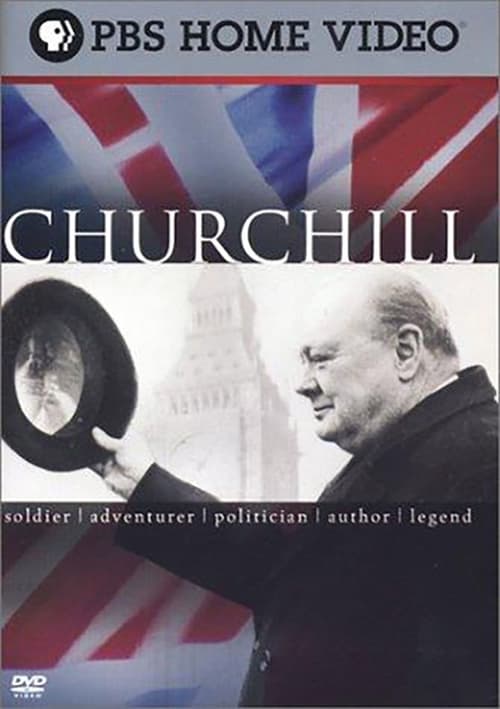 Churchill
Documentary, History
 Reframed: Marilyn Monroe
Documentary, History
 Time Scanners
Documentary, History
 Unearthed
Documentary, History
 Cities of the Underworld
Documentary, History
 The American Buffalo
Documentary, History
 100 Years of Warner Bros.
Documentary, History
 The Dust Bowl
Documentary, History
 Meet the Romans with Mary Beard
Documentary, History
 The Fourth Estate
Documentary, History
 America in Color
Documentary, History
 2nd Chance
Documentary, History
 Fantastic Lies
Documentary, History
 Memory: The Origins of Alien
Documentary, History
 Apollo: Missions to the Moon
Documentary, History
 Guru: Bhagwan, His Secretary & His Bodyguard
Documentary, History
 King Leopold's Ghost
Documentary, History
 The Tents
Documentary, History
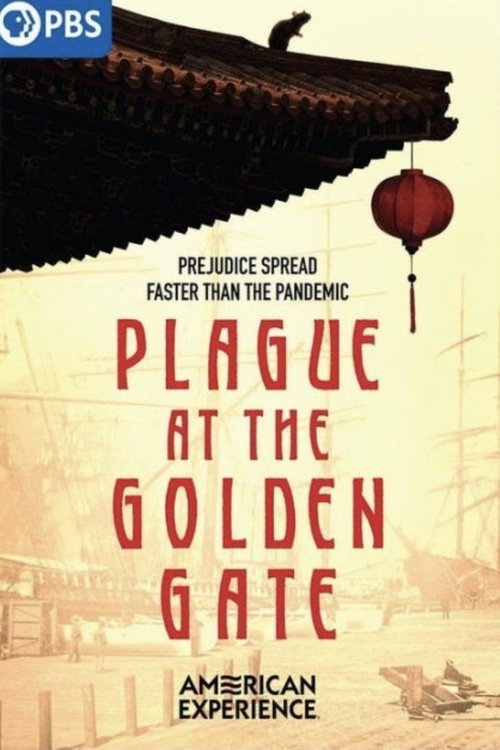 Plague at the Golden Gate
Documentary, History
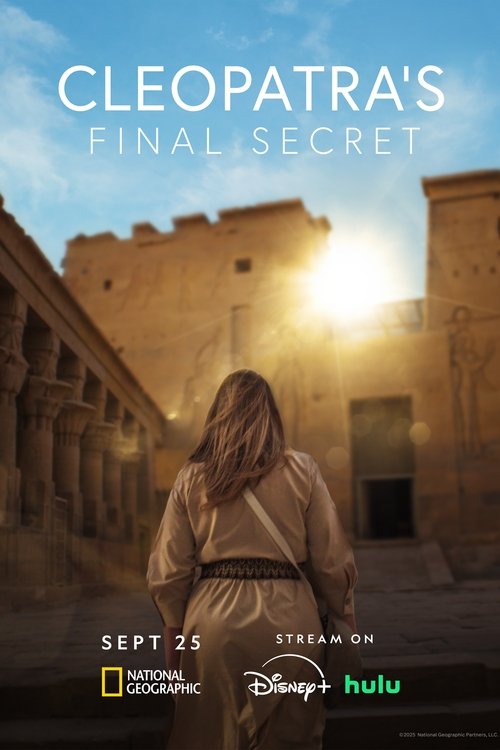 Cleopatra's Final Secret
Documentary, History
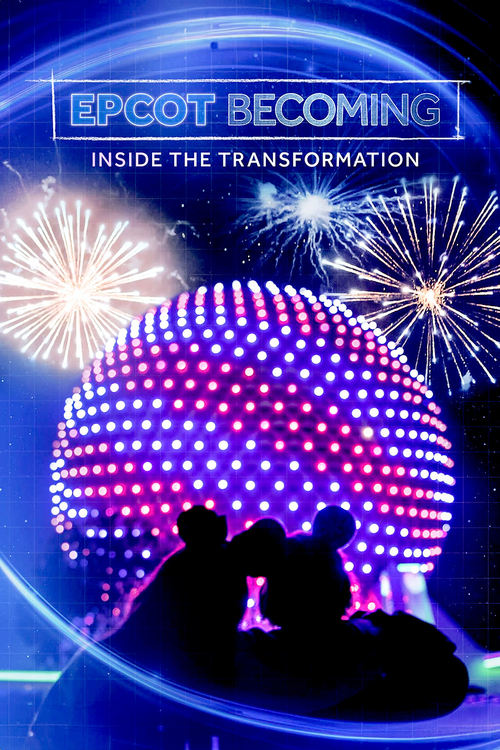 EPCOT Becoming: Inside the Transformation
Documentary, History
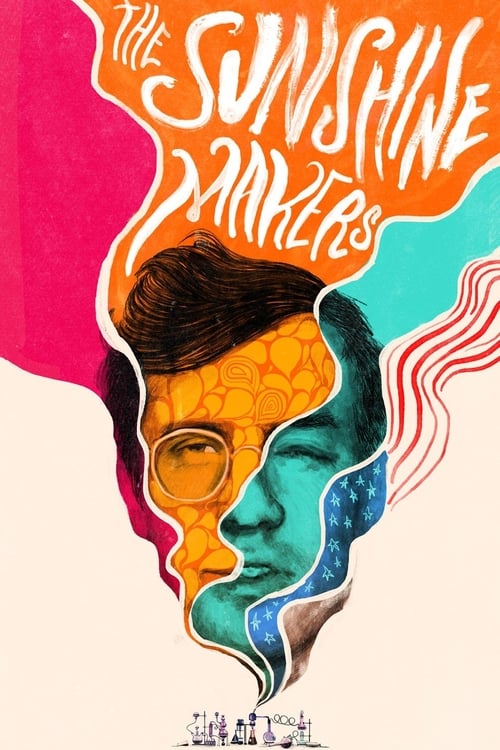 The Sunshine Makers
Documentary, History
 Command and Control
Documentary, History
 A Walk Into the Sea: Danny Williams and the Warhol Factory
Documentary, History
 A Good Day to Die
Documentary, History
 A Storm Foretold
Documentary, History
Yes, Speak No Maori is definitely worth watching for anyone interested in the history and revitalisation of the Māori language. The documentary offers a profound insight into the journey of te reo Māori, exploring its decline and the efforts to bring it back into everyday use. Its historical context and emotional depth make it a compelling watch.
Speak No Maori unpacks the complex history of the Māori language in Aotearoa, detailing its shift from dominance to decline. The film commemorates the 50th anniversary of the Māori language petition and highlights the contemporary efforts to revitalise te reo Māori, showcasing personal stories and the cultural significance of the language.
Speak No Maori is suitable for older children and teenagers, especially those interested in cultural studies or history. The documentary addresses serious themes regarding language preservation and identity, making it a valuable educational experience, but younger viewers may find some topics challenging.
Films similar to Speak No Maori include Whina, which tells the story of Māori activist Whina Cooper, and other documentaries focusing on indigenous cultures and languages. Additionally, films like The Māori Side of the Door also explore themes of Māori identity and language.
Speak No Maori has received positive critical reception for its heartfelt storytelling and informative content. Critics praise its ability to blend historical context with personal narratives, making the subject matter accessible and engaging for audiences. The film has sparked conversations about language preservation and cultural identity.
As of now, there is no announced sequel to Speak No Maori. However, the ongoing discussions around Māori language revitalisation may inspire further documentaries or projects focusing on related themes and stories in the future.
At the end of Speak No Maori, the documentary highlights the ongoing efforts and successes in revitalising te reo Māori, leaving viewers with a sense of hope and determination for the future. It emphasises the importance of community involvement and the role of younger generations in keeping the language alive.
No, Speak No Maori is not a scary film. It is a documentary that focuses on cultural and historical topics, presenting them in an informative and engaging manner rather than using elements of fear or horror.