
 JustWatch
 Kids on the Edge
Documentary

 9 / 10
9 / 10
9 / 10
Did Roman Emperors create Christianity? Researchers and scholars James S. Valliant and Warren Fahy take us on a journey, piecing together various physical archaeological artifacts that link the ruling Roman elites of the first century to the first Christians - a link which remained hidden till now. They then reveal the secret ways Christianity was used by subsequent rulers to ensure the religion survived and thrived into modern times. Based on their book of the same name, the Creating Christ documentary reveals this secret conspiracy which began as a way to end the great conflict between Jews and Rome, and ended up changing the course of history, still being in use to this very day. With additional supportive research from scholars Dr. Robert Price, Professor Robert Eisenman, and Acharya Sanning / D.M. Murdock, this documentary adds even greater validity to the thesis that Rome created the New Testament.
Independent reviews from the Compare TV editorial team.
Creating Christ is an intriguing documentary that invites viewers to reconsider the origins of Christianity through a historical lens. The film, led by researchers James S. Valliant and Warren Fahy, presents a well-structured argument suggesting that Roman Emperors had a hand in shaping the religion ... Show more >>
Creating Christ attempts to tackle a bold narrative: that the Roman Empire crafted Christianity for its own purposes. While the film is ambitious and features engaging interviews, it sometimes feels bogged down by its academic approach. The pacing can be slow, and viewers unfamiliar with the subject ... Show more >>
Common themes and sentiments
The JustWatch Streaming Charts are calculated by user activity from the last 24 hours.
| Rank | Title | Highest Rank | Streaming |
|---|
Kids on the Edge
Documentary
 Griff's Great Australian Rail Trip
Documentary
 Rick Steves' Europe
Documentary
 Branson
Documentary
 Cheese Slices
Documentary
 Grand Tours of the Scottish Islands
Documentary
 Pretty Baby: Brooke Shields
Documentary
 America's National Parks
Documentary
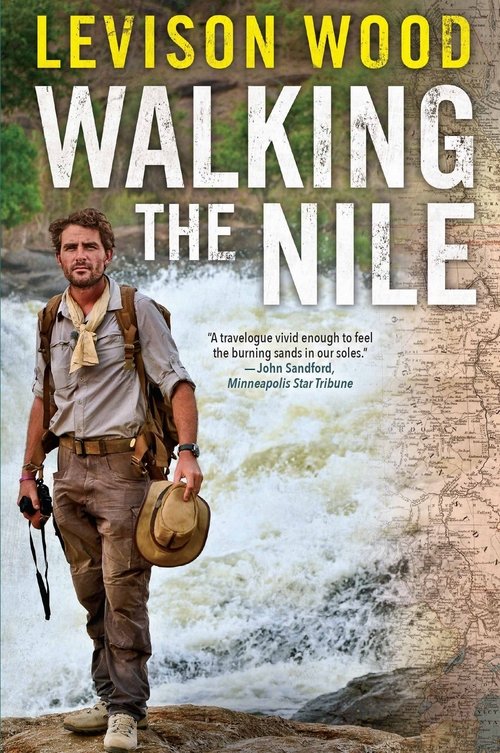 Walking The Nile
Documentary
 Dinosaur Britain
Documentary
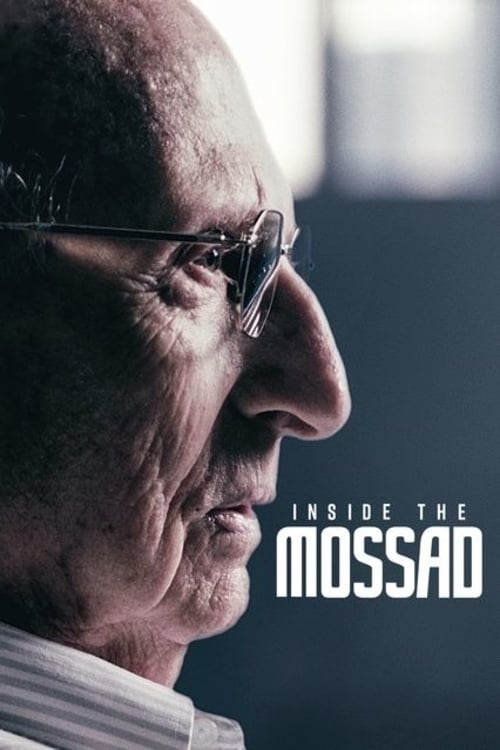 Inside the Mossad
Documentary
 Jo Brand's Cats & Kittens
Documentary
 A Real Bug's Life
Documentary
 72 Dangerous Places to Live
Documentary
 #Dead2Me
Documentary
 Transhood
Documentary
 LennoNYC
Documentary
 Tomorrow
Documentary
 Doomed! The Untold Story of Roger Corman's The Fantastic Four
Documentary
 Island of the Hungry Ghosts
Documentary
 Burning
Documentary
 Kumaré
Documentary
 Show Stopper: The Theatrical Life of Garth Drabinsky
Documentary
 The Billion Pound Base
Documentary
 I Am Martin Parr
Documentary
 This Magic Moment
Documentary
 Dinosaur 13
Documentary
 The Last Horsemen of New York
Documentary
 The Gospel According to Mac
Documentary
 Dream the Impossible
Documentary
Creating Christ is a thought-provoking documentary that challenges traditional narratives about the origins of Christianity. It presents a compelling thesis that Roman Emperors played a significant role in shaping the religion for political purposes. For viewers interested in historical analysis and religious studies, this film offers a unique perspective that is both engaging and enlightening.
Creating Christ explores the controversial idea that the Roman Empire actively influenced the creation and propagation of Christianity. Through interviews with scholars and an examination of archaeological evidence, the documentary argues that Christianity was used as a tool to reconcile tensions between Jews and Romans, ultimately altering the course of history.
Creating Christ is not particularly suited for children due to its complex themes involving religion, politics, and historical analysis. The film presents challenging ideas and may require a mature understanding of religious and historical contexts, making it more appropriate for older teens and adults.
Creating Christ can be streamed on various platforms available in Australia. Check popular streaming services or local listings to find out where you can access the film for viewing.
The documentary concludes by summarising the key arguments that link the Roman Empire to the formation of Christianity. It suggests that the manipulation of the religion served political purposes throughout history, leaving audiences to ponder the implications of these findings on contemporary beliefs.
Yes, Creating Christ is based on historical research and archaeological findings. The documentary presents a narrative supported by scholarly work, particularly focusing on the theories proposed by researchers James S. Valliant and Warren Fahy regarding the origins of Christianity.
Creating Christ is not a horror film and does not contain frightening elements. Instead, it presents historical and theological discussions that may provoke thought and debate, but it is not designed to induce fear.
If you enjoyed Creating Christ, you might also appreciate documentaries like 'Zeitgeist: The Movie,' which examines religion and its societal impacts, or 'The God Who Wasn't There,' which challenges Christian narratives. Both films delve into controversial topics surrounding faith and history.