
 JustWatch
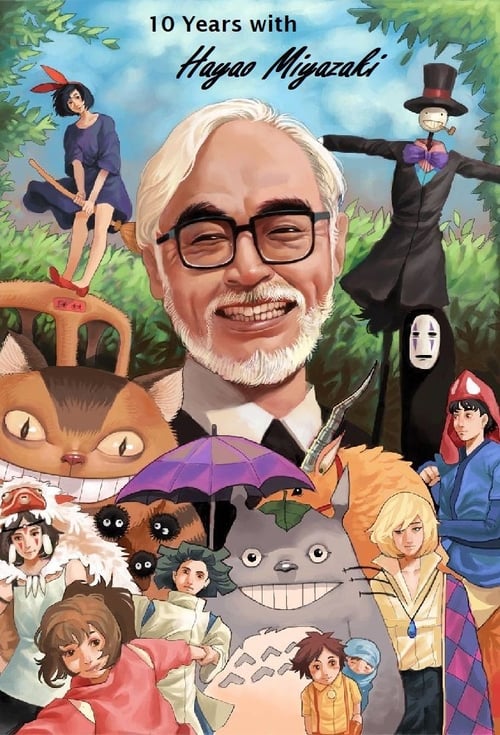 10 Years with Hayao Miyazaki
Documentary
 7.3 / 10
7.3 / 10
7.3 / 10
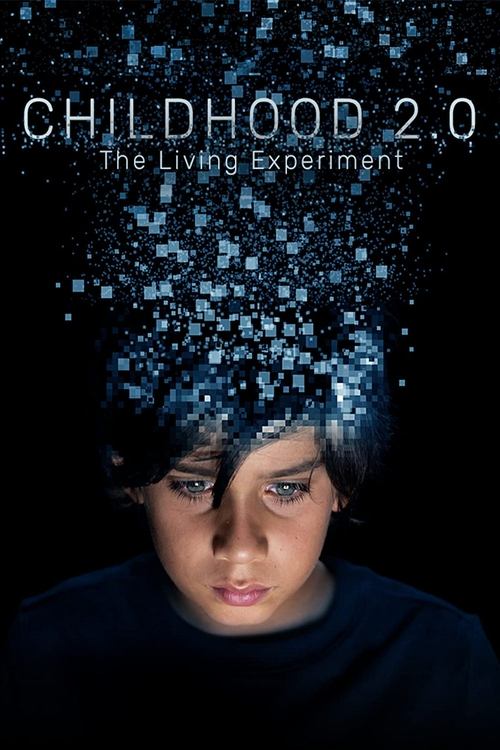
For the first time in history, mental illness and suicide have become one of the greatest threats to school-aged children. Many parents still view dangers as primarily physical and external, but they’re missing the real danger: kids spending more time online and less time engaging in real life, free play, and autonomy. What are the effects on the next generation's mental, physical, and spiritual health? Childhood was more or less unchanged for millennia, but this is Childhood 2.0.
Independent reviews from the Compare TV editorial team.
Childhood 2.0 is a compelling documentary that addresses a pressing issue in today's society: the mental health crisis among children exacerbated by digital technology. Directed by Robert Muratore, the film presents a series of interviews with parents, children, and mental health professionals, craf ... Show more >>
Childhood 2.0 touches on some undeniably important issues, but one can't help but feel that it sometimes falls into the trap of sensationalism. While the film does an admirable job of highlighting the mental health struggles faced by children today, the pacing can be uneven, and certain segments fee ... Show more >>
Common themes and sentiments
The JustWatch Streaming Charts are calculated by user activity from the last 24 hours.
| Rank | Title | Highest Rank | Streaming |
|---|
10 Years with Hayao Miyazaki
Documentary
 Joanna Lumley's Silk Road Adventure
Documentary
 Let the World See
Documentary
 The Choe Show
Documentary
 The Furry Detectives: Unmasking a Monster
Documentary
 A History Of Royal Scandals
Documentary
 Small Town News: KPVM Pahrump
Documentary
 All or Nothing: Tottenham Hotspur
Documentary
 Searching for Superhuman
Documentary
 You Can't Ask That
Documentary
 A Year in the Wild
Documentary
 Galapagos 3D with David Attenborough
Documentary
 The Weight of the Nation
Documentary
 House of Kardashian
Documentary
 Magical Land of Oz
Documentary
 Fractals: Hunting the Hidden Dimension
Documentary
 The Final Year
Documentary
 Rewind
Documentary
 Poisoned Ground: The Tragedy at Love Canal
Documentary
 Last Days of Gene Hackman
Documentary
 The Soul of America
Documentary
 The Leunig Fragments
Documentary
 The Gateway Bug
Documentary
 Unladylike2020
Documentary
 The Siege of Mecca
Documentary
 Mars: One Day on the Red Planet
Documentary
 Caroline Flack: Her Life and Death
Documentary
 Once Brothers
Documentary
 The September Issue
Documentary
 The Randall Scandal: Love, Loathing, and Vanderpump
Documentary
Childhood 2.0 is a thought-provoking documentary that delves into the pressing issues of mental health and the impact of technology on children. It raises important questions about the balance between online engagement and real-world interactions, making it a worthwhile watch for parents, educators, and anyone concerned about the well-being of the next generation.
Childhood 2.0 explores the modern challenges faced by school-aged children, particularly the rise of mental illness and suicide linked to excessive online time. It highlights the shift away from traditional play and autonomy, questioning how this affects children's mental, physical, and spiritual health in today's digital age.
Childhood 2.0 is primarily aimed at adults, especially parents and educators, as it addresses sensitive topics like mental health and suicide. While it may be suitable for older teenagers who can understand these issues, viewer discretion is advised due to its serious themes.
While Childhood 2.0 is not based on a single true story, it presents real-life experiences and testimonies from various families and experts. The film aims to shed light on the current state of childhood in the digital age, using factual information and personal narratives to underscore its themes.
Films similar to Childhood 2.0 include 'Screenagers', which also addresses the impact of technology on youth, and 'The Social Dilemma', which explores the dangers of social media. Both films share a focus on the challenges and consequences of digital life on mental health.
At the end of Childhood 2.0, the film concludes with a call to action for parents, educators, and society to recognise the importance of fostering a balanced environment for children. It emphasises the need for engagement in real-life activities and the importance of mental health awareness.
Childhood 2.0 is not a horror film, but it does tackle frightening realities regarding mental health and the potential dangers of technology. The emotional weight of the subject matter can be unsettling, but it's intended to provoke thought rather than induce fear.
As of now, there is no official sequel to Childhood 2.0. The film stands alone in its exploration of the contemporary issues affecting children, but its themes may inspire further discussions and possibly future projects on related topics.