 JustWatch
 Build a New Life In the Country
Documentary
 6.3 / 10

Foxtel Now
Subscription

Apple TV
Rent or Buy

DocPlay
Subscription
6.3 / 10
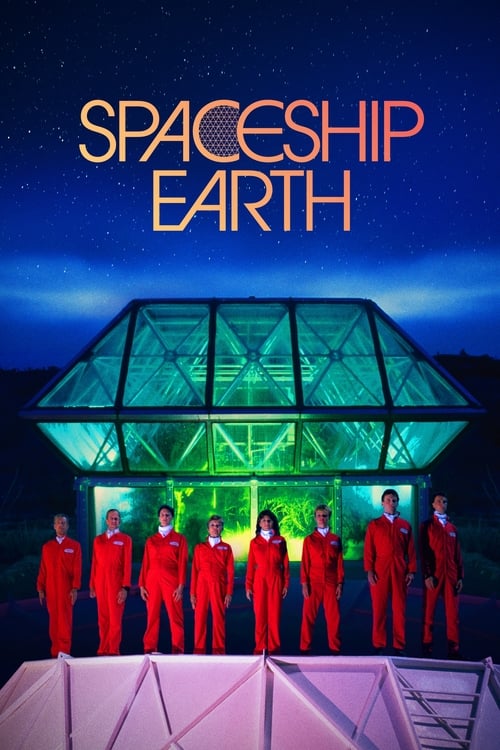
In 1991 a group of countercultural visionaries built an enormous replica of earth’s ecosystem called Biosphere 2. When eight “biospherians” lived sealed inside, they faced ecological calamities and cult accusations. Their epic adventure is a cautionary tale but also a testament to the power of small groups reimagining the world.
Independent reviews from the Compare TV editorial team.
Spaceship Earth is a compelling documentary that encapsulates the ambitious spirit of the early 1990s through the lens of the Biosphere 2 project. Directed by Matt Wolf, the film offers an insightful look into a unique experiment in ecological sustainability, where eight individuals ventured into a ... Show more >>
Spaceship Earth is an intriguing dive into the world of Biosphere 2, but it sometimes feels more like an extended history lesson than a gripping documentary. The film chronicles the lives of eight individuals who thought they could recreate Earth's ecosystem within a sealed environment. While the co ... Show more >>
Common themes and sentiments
The JustWatch Streaming Charts are calculated by user activity from the last 24 hours.
| Rank | Title | Highest Rank | Streaming |
|---|
Build a New Life In the Country
Documentary
 Australia: The Time Traveller's Guide
Documentary
 Ancient Engineering
Documentary
 Copa del Rey 2021-2022: Everybody’s Cup
Documentary
 Inside the Operating Theatre
Documentary
 Where Is Private Dulaney?
Documentary
 Wayne Shorter: Zero Gravity
Documentary
 Critical Condition
Documentary
 One South: Portrait of a Psych Unit
Documentary
 At Home With the Gils
Documentary
 Lost Treasures of Rome
Documentary
 Social Studies
Documentary
 The Superfantastic Story of Balão
Documentary
 House of Kardashian
Documentary
 Brené Brown: Atlas of the Heart
Documentary
 No Other Land
Documentary
 Signorinella: Little Miss
Documentary
 Sophie and the Baron
Documentary
 Federica Pellegrini - Underwater
Documentary
 McCullin
Documentary
 General Magic
Documentary
 Tomorrow
Documentary
 The Quincy Avery Effect
Documentary
 Dan Carter: A Perfect 10
Documentary
 The Siege of Mecca
Documentary
 Cinderella: The Reunion, A Special Edition of 20/20
Documentary
 Blank City
Documentary
 Client 9: The Rise and Fall of Eliot Spitzer
Documentary
 Marketing the Messiah
Documentary
 Collingwood: From The Inside Out
Documentary
Yes, Spaceship Earth is worth watching for its unique exploration of ecological themes and the human spirit. The film provides a fascinating insight into the ambitious project of Biosphere 2 and the challenges faced by its inhabitants. It's not just a documentary; it’s a reflection on community, sustainability, and the power of innovative thinking.
Spaceship Earth chronicles the true story of the Biosphere 2 project, where a group of visionaries sealed themselves in a self-sustaining ecosystem. The film delves into their struggles with ecological disasters and the societal perceptions that labelled them as a cult. It serves as both a cautionary tale and an inspiring look at human ingenuity.
Spaceship Earth is generally suitable for older children, particularly those interested in environmental issues. However, it contains complex themes and discussions about societal perceptions that may be better understood by teenagers and adults. Parents may want to preview it to determine if it aligns with their children's maturity levels.
At the end of Spaceship Earth, the film reflects on the aftermath of the Biosphere 2 project and the impact it had on its participants. The biospherians emerge with a renewed understanding of ecological balance and community, leaving viewers with a thought-provoking message about humanity's relationship with nature.
No, there is currently no sequel to Spaceship Earth. The film stands alone as a comprehensive exploration of the Biosphere 2 project and its implications. However, the themes it raises about sustainability and ecological awareness continue to resonate in contemporary discussions.
Films similar to Spaceship Earth include 'The Last Breath', which explores environmental themes, and 'Chasing Ice', which documents climate change. Other documentaries like 'Our Planet' and 'Before the Flood' also tackle sustainability and humanity's impact on the Earth, making them relevant companions to this film.
Spaceship Earth is not a horror film, but it does contain moments of tension and uncertainty as the biospherians face ecological challenges and societal scrutiny. The film's emotional depth may evoke feelings of anxiety regarding environmental issues, but it ultimately offers a hopeful message.
Spaceship Earth holds cultural significance as it highlights the intersection of science, community, and environmentalism. It challenges viewers to reconsider their relationship with nature and the potential for innovative solutions to ecological crises, making it a relevant piece in today's climate discourse.