
 JustWatch
The Home Team: NY Jets
Documentary, Sport

Netflix
Subscription
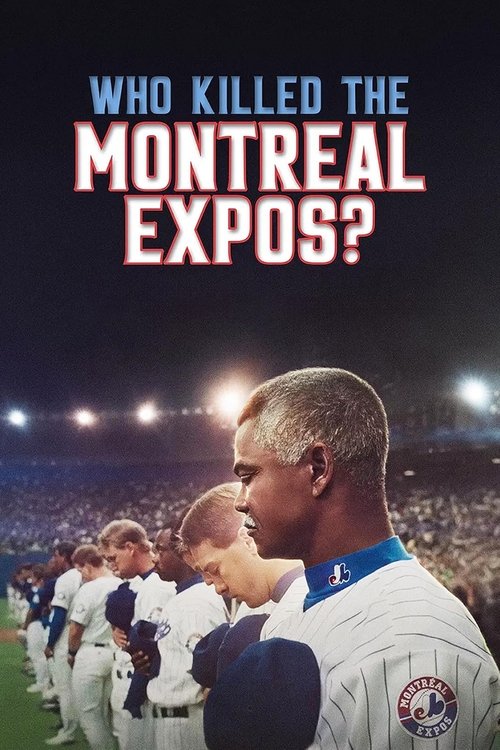
An investigation into the downfall of the Montreal Expos, Canada's first Major League Baseball team — and who was ultimately responsible.
Independent reviews from the Compare TV editorial team.
Jean-François Poisson’s 'Qui a tué les Expos de Montréal?' is a masterful documentary that transcends the mere recounting of baseball history. It captures the heart and soul of a city that once rallied around its beloved team, inviting viewers to relive the highs of triumphant victories and the lows ... Show more >>
'Qui a tué les Expos de Montréal?' presents a compelling narrative about the rise and fall of a team that holds a special place in Canadian sports history. While Jean-François Poisson’s direction is competent, the film occasionally feels like it meanders through its themes without fully engaging wit ... Show more >>
Common themes and sentiments
7 Day Free Trial Limited Offer
Rent or buy with Apple TV.
The JustWatch Streaming Charts are calculated by user activity from the last 24 hours.
| Rank | Title | Highest Rank | Streaming |
|---|---|---|---|
| 01 |
 The Dark Emu Story
|
111 |




|
| 02 |
 Snow White and the Huntsman
|
249 |




|
| 03 |
 Hail Satan?
|
269 |

|
| 04 |
 Liza: A Truly Terrific Absolutely True Story
|
278 |
|
| 05 |
 Kumaré
|
315 |
|
| 06 |
 Prime Minister
|
323 |
|
| 07 |
 The Alabama Solution
|
393 |

|
| 08 |
 Triage: Dr. James Orbinski's Humanitarian Dilemma
|
408 |
|
| 09 |
 Beaches
|
438 |
|
| 10 |
 The Perfect Neighbor
|
592 |
|
Documentary, Sport

Documentary, Sport

Documentary, Sport

Documentary, Sport

Documentary, Sport

Documentary, Sport

Documentary, Sport

Documentary, Sport

Documentary, Sport

Documentary, Sport

Documentary, Sport

Sport, Documentary

Sport, Documentary

Documentary, Sport

Documentary, Sport

Documentary, Sport

Documentary, Sport

Documentary, Sport

Documentary, Sport

Documentary, Sport

Documentary, Sport

Documentary, Sport

Documentary, Sport

Documentary, Sport

Documentary, Sport
Documentary, Sport

Documentary, Sport

Documentary, Sport

Documentary, Sport

Documentary, Sport
The film delves into the complex narrative surrounding the demise of the Montreal Expos, the first Major League Baseball team in Canada. It explores themes of nostalgia, identity, and the impact of management decisions on a beloved team. Through interviews and archival footage, the documentary seeks to understand who or what ultimately led to the team's downfall, making it a poignant reflection on the intersection of sports and culture in Montreal.
The documentary is directed by Jean-François Poisson, who brings a unique perspective to the story of the Montreal Expos. His direction is marked by a thoughtful approach that balances emotional storytelling with analytical commentary, allowing the audience to engage deeply with the historical context and personal anecdotes presented throughout the film.
Yes, 'Qui a tué les Expos de Montréal?' is available for streaming in Australia. It can be accessed on several platforms, including major streaming services, making it convenient for audiences to explore this compelling documentary about the Montreal Expos and their legacy in the world of sports.
The film features a rich array of archival footage, including historic game highlights, fan celebrations, and behind-the-scenes glimpses of the team during its peak years. This footage not only evokes nostalgia but also serves to illustrate the highs and lows experienced by the franchise, providing context for the discussions around its eventual decline.
The documentary holds cultural significance as it not only recounts the history of the Montreal Expos but also reflects on the broader implications of sports in shaping community identity. The Expos were more than just a baseball team; they represented a unique cultural moment in Montreal's history, and the film captures the emotional resonance of their legacy for fans and the city alike.
Yes, 'Qui a tué les Expos de Montréal?' includes interviews with former players, team executives, and passionate fans. These personal accounts provide insight into the team's inner workings and the emotional impact of its demise on the community. Spoiler alert: some interviewees share candid reflections on the decisions that led to the team's downfall, adding depth to the narrative.
The tone of the film is reflective and occasionally somber, as it grapples with themes of loss and nostalgia. However, it also incorporates moments of humour and warmth, particularly in the personal anecdotes shared by fans and players. This blend of tones allows the film to resonate with a wide audience, capturing both the joy and sorrow of the Expos' journey.
The film takes a nuanced approach to the question of blame, presenting various perspectives from team insiders and fans alike. Rather than assigning guilt to a single entity, it explores the multitude of factors that contributed to the Expos' decline, including management decisions, financial struggles, and shifting public interest. This layered examination encourages viewers to reflect on the complexities of sports ownership and fandom.