 The Renaissance Unchained
Documentary

Could film gelatin, a 16mm film camera, 3 lenses and film developing chemistry experimentation act as messengers between the spirit and the physical world? a one day trip to the remote town of Panguipulli (Chile) seeks to explore possibilities and to also expand on the power of audio frequencies as a healing instrument. A manifestation of the hummingbird movement? A connection between mind, landscape, sound, latent image? A replication of Rukapillan volcano’s intermittent flows of magma through fissures on the earth’s surface? -Colibri- erupts 16mm single frame experiments & bursts smoke and sonic healing vibrations
Independent reviews from the Compare TV editorial team.
Hummingbird, directed by Sebastian Vaccaris, is a remarkable exploration of the interplay between film and spirituality. The narrative unfolds in the picturesque town of Panguipulli, Chile, where the protagonist uses 16mm film techniques to delve into the connections between the spirit and the physi ... Show more >>
Hummingbird is a film that takes you on a journey, but it's not a journey everyone will want to take. Directed by Sebastian Vaccaris, this experimental piece is all about the connection between mind, sound, and the world around us. The plot, if you can call it that, meanders through stunning visuals ... Show more >>
Common themes and sentiments
The JustWatch Streaming Charts are calculated by user activity from the last 24 hours.
| Rank | Title | Highest Rank | Streaming |
|---|
The Renaissance Unchained
Documentary
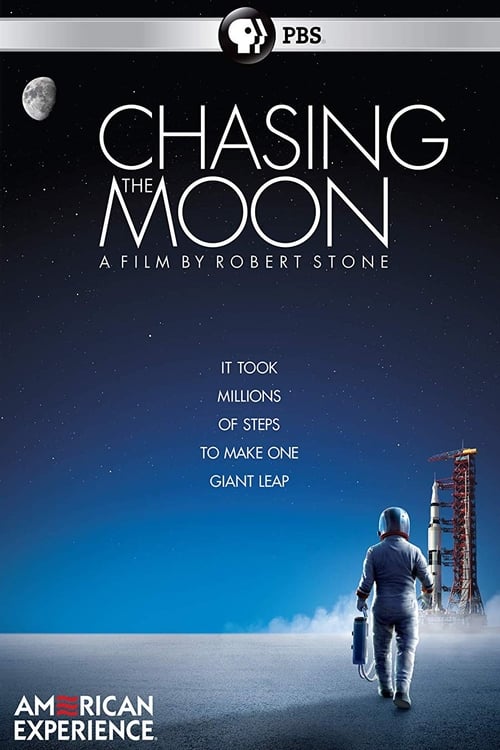 Chasing The Moon
Documentary
 Underground Marvels
Documentary
 Back to Basketball
Documentary
 Inheritance Wars: Who Gets the Money?
Documentary
 Secret Societies: In the Shadows
Documentary
 A New Prehistory
Documentary
 SUV Superbuild
Documentary
 as1one: The Israeli-Palestinian Pop Music Journey
Documentary
 O.J.: Made in America
Documentary
 Sydney's Super Tunnel
Documentary
 Rick Stein's Far Eastern Odyssey
Documentary
 First Australians
Documentary
 Ice Vikings
Documentary
 The Age of Influence
Documentary
 Super Size Me
Documentary
 Ukraine Is Not a Brothel
Documentary
 Pauline Hanson: Please Explain!
Documentary
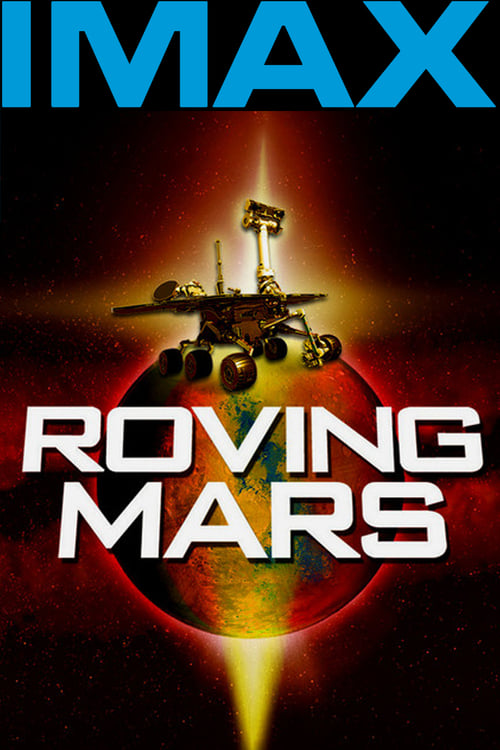 Roving Mars
Documentary
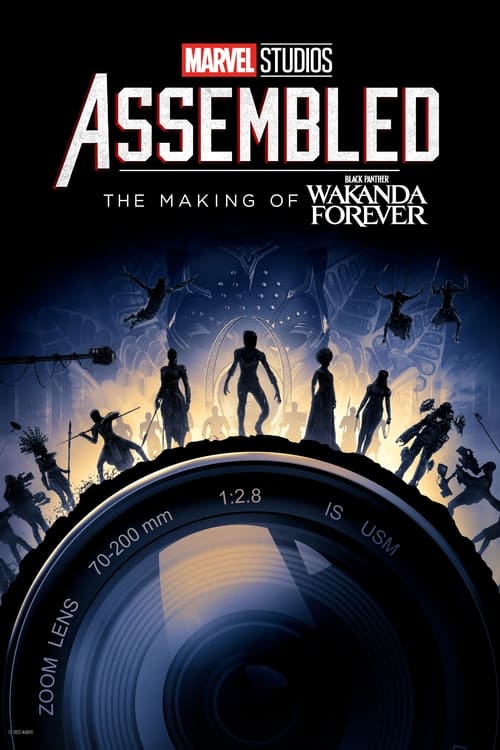 Marvel Studios Assembled: The Making of Black Panther: Wakanda Forever
Documentary
 Child Star
Documentary
 Sex Slaves Frontline
Documentary
 Advocate
Documentary
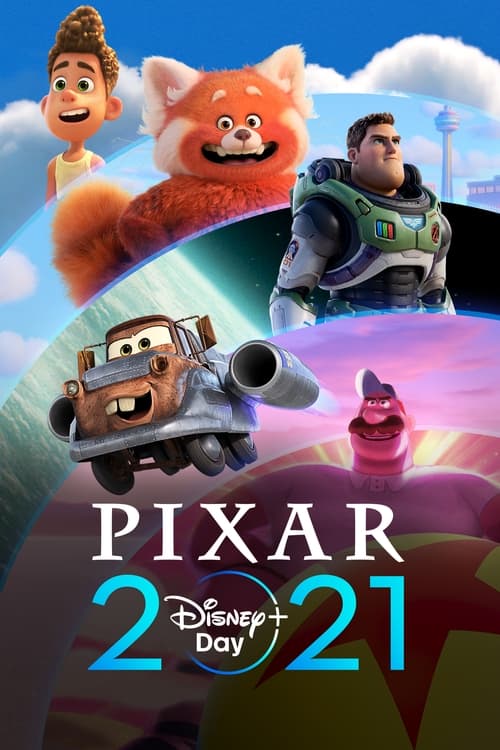 Pixar 2021 Disney+ Day Special
Documentary
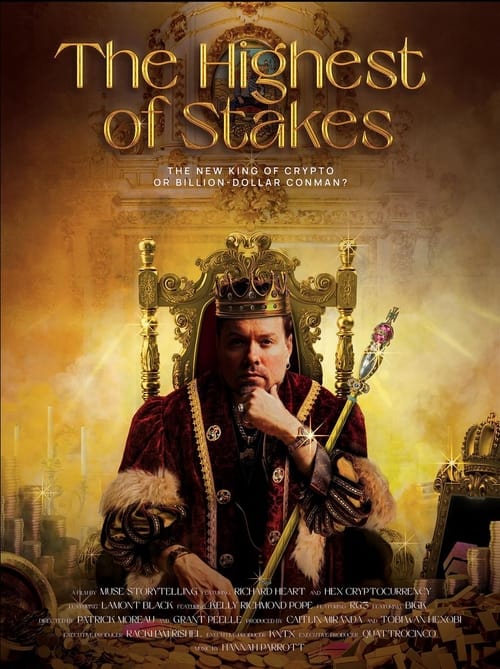 The Highest of Stakes
Documentary
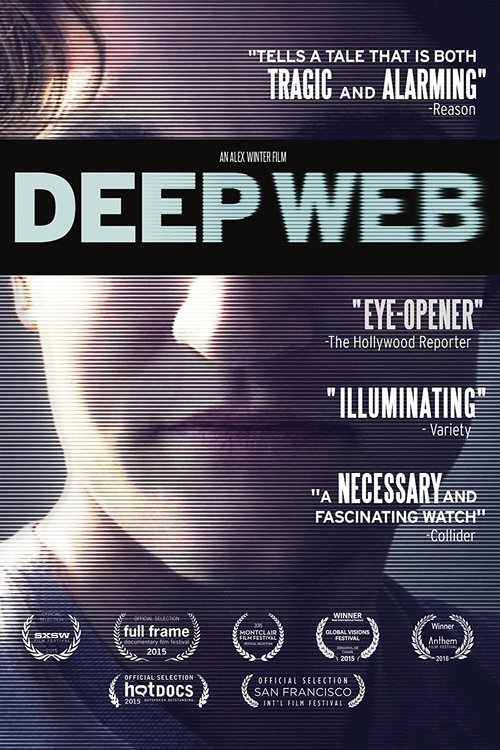 Deep Web
Documentary
 Gary
Gary
Documentary
 Meet the Pickles: The Making of "Win or Lose"
Documentary
 This Magic Moment
Documentary
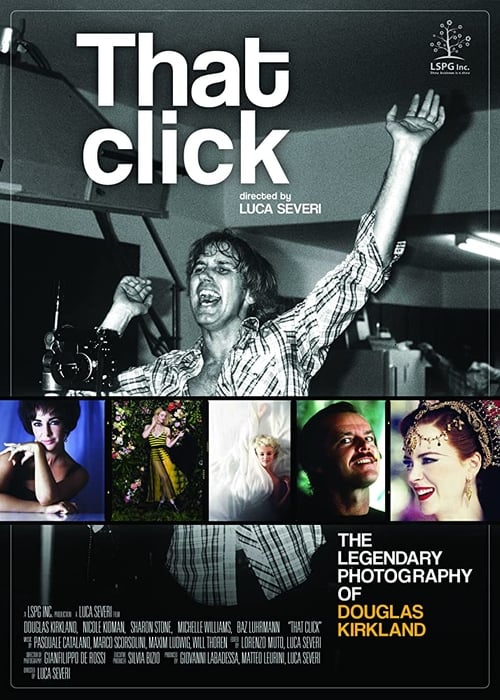 That Click
Documentary
Hummingbird is worth watching for those who appreciate experimental cinema and artistic exploration. Directed by Sebastian Vaccaris, the film combines elements of film experimentation with spiritual themes, making it a unique viewing experience. Its exploration of audio frequencies as a healing instrument adds a layer of intrigue that may resonate with audiences interested in the intersection of art and wellness.
Hummingbird explores the relationship between the spirit and physical world through a journey to Panguipulli, Chile. The film uses 16mm film techniques, sound frequencies, and the imagery of the Rukapillan volcano to convey themes of connection and manifestation. It invites viewers to reflect on how art can serve as a conduit for healing and understanding.
Hummingbird may not be suitable for children due to its experimental nature and abstract themes. The film's focus on spiritual exploration and healing through sound may be more appreciated by adult audiences, particularly those with an interest in art and cinema.
Films similar to Hummingbird include 'Enter the Void', 'Koyaanisqatsi', and 'The Holy Mountain'. These films also combine visual experimentation with deeper philosophical or spiritual themes, making them appealing to viewers who enjoy unconventional narratives and artistic expression.
At the end of Hummingbird, the film culminates in a synthesis of sound and image that reflects the journey undertaken throughout. Without giving away specific spoilers, it leaves viewers with an open interpretation of the connections made between the physical and spiritual realms, inviting contemplation on the themes presented.
As of now, there is no announced sequel to Hummingbird. The film stands alone as an artistic exploration, and its unique narrative may not lend itself to a conventional sequel. However, audiences may hope for further works from director Sebastian Vaccaris that continue to explore similar themes.
Hummingbird is not designed to be a horror film, so it is not inherently scary. Instead, it focuses on spiritual and experimental themes, which may evoke a sense of intrigue or contemplation rather than fear. Viewers looking for a thrilling experience may find it more meditative than frightening.
Hummingbird holds cultural significance as it reflects the intersection of art and spirituality, particularly in the context of Chilean landscapes and indigenous themes. By using film as a medium to explore these connections, it contributes to the ongoing dialogue about the role of art in healing and understanding cultural identities.