 JustWatch
 Inside the World's Greatest Hotels
Documentary

Apple TV
Rent or Buy
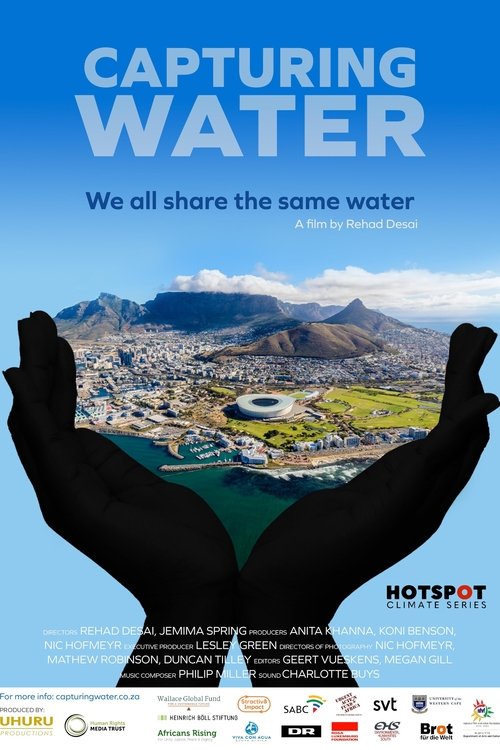
Capturing Water delves into Cape Town’s escalating water crisis, a growing emergency in recent years. As pollution of natural water sources worsens and industrial and urban developments threaten access to clean water, government responses remain inadequate.
Independent reviews from the Compare TV editorial team.
Capturing Water is a poignant documentary that tackles an urgent issue with a deft touch. Directed by Rehad Desai, the film presents a stark portrayal of Cape Town's water crisis, interweaving personal stories with broader environmental concerns. The narrative is both engaging and informative, pushi ... Show more >>
Wow, Capturing Water really hits home! This documentary is not just a film; it's an experience that stays with you long after the credits roll. Rehad Desai has crafted a narrative that feels personal and urgent, diving deep into the heart of Cape Town's water crisis. The stories of the people affect ... Show more >>
Common themes and sentiments
The JustWatch Streaming Charts are calculated by user activity from the last 24 hours.
| Rank | Title | Highest Rank | Streaming |
|---|
Inside the World's Greatest Hotels
Documentary
 Children of the Underground
Documentary
 Police Strike Force
Documentary
 I, Hostage
Documentary
 Rob and Rylan's Grand Tour
Documentary
 Harmony with A. R. Rahman
Documentary
 World's Most Extreme
Documentary
 Secrets of the Whales
Documentary
 First Australians
Documentary
 Icons Unearthed: The Simpsons
Documentary
 Eu Amo o Benfica
Documentary
 Prost
Prost
Documentary
 OceanXplorers
Documentary
 One Strange Rock
Documentary
 Helicopter Warfare
Documentary
 Super Size Me
Documentary
 Barbara Walters: Tell Me Everything
Documentary
 Client 9: The Rise and Fall of Eliot Spitzer
Documentary
 I Want to Believe
Documentary
 At the Fork
Documentary
 The Honorable Shyne
Documentary
 Guardians of the Strait
Documentary
 Ice on Fire
Documentary
 Dinosaur 13
Documentary
 Yellow Is Forbidden
Documentary
 Beyond The Spectrum: Being Taken
Documentary
 JFK X: Solving the Crime of the Century
Documentary
 Heart of a Dog
Documentary
 Life Off Grid
Documentary
 Marvel Studios Assembled: The Making of Black Panther: Wakanda Forever
Documentary
Capturing Water is definitely worth watching, especially for those interested in environmental issues and social justice. The film presents a compelling narrative about Cape Town's water crisis, highlighting the urgent need for action and awareness. Its engaging storytelling and emotional depth resonate with audiences, making it a thought-provoking experience.
Capturing Water focuses on the escalating water crisis in Cape Town, South Africa. It sheds light on the pollution of natural water sources and examines how industrial and urban developments are threatening access to clean water. The film critiques government responses and aims to raise awareness about this pressing issue, urging viewers to consider the implications of water scarcity.
Capturing Water is generally suitable for older children and teenagers, as it discusses serious themes related to environmental issues and social justice. However, some scenes may be intense or distressing, so parental discretion is advised. It can serve as an educational tool for younger audiences to understand the importance of water conservation.
At the end of Capturing Water, the film culminates in a call to action, highlighting the ongoing struggles of communities affected by the water crisis. It leaves viewers with a sense of urgency and the need for collective action, emphasizing that the fight for clean water is far from over. The closing scenes reflect on the resilience of the people and the hope for change.
As of now, there is no announced sequel to Capturing Water. The film stands alone as a critical examination of the water crisis in Cape Town. However, given the ongoing nature of the issues it addresses, there could be potential for further exploration in future projects.
Films similar to Capturing Water include 'Before the Flood', which explores climate change and its impact on natural resources, and 'Chasing Ice', focusing on environmental activism. Other documentaries like 'Our Planet' and 'An Inconvenient Truth' also tackle pressing ecological issues and the importance of conservation.
Capturing Water has received positive reviews for its powerful storytelling and visual presentation. Critics have praised its ability to engage audiences with a critical social issue, noting the film's emotional impact and relevance. It is seen as an important contribution to environmental cinema that sparks conversation about water rights.
Capturing Water explores themes of environmental degradation, social justice, and the struggle for basic human rights. The film highlights the intersection of ecological issues and community resilience, encouraging viewers to reflect on their role in advocating for sustainable practices and equitable access to clean water.