 JustWatch
 Harmony with A. R. Rahman
Documentary
 6.8 / 10

Foxtel Now
Subscription
6.8 / 10
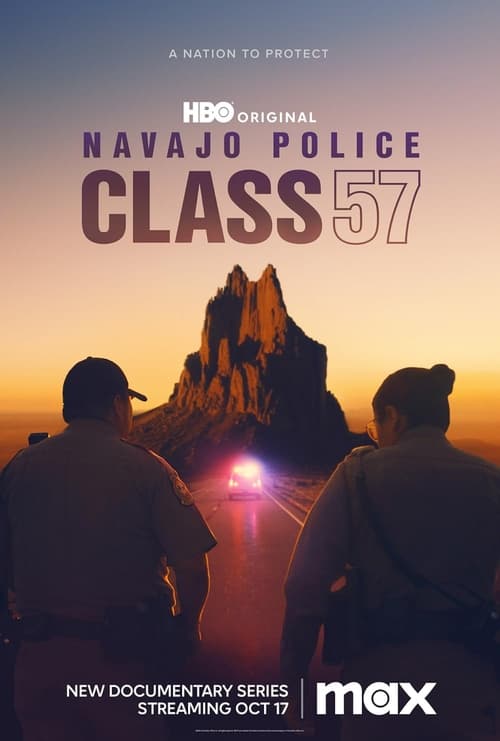
Follow the officers and recruits of the Navajo Police Department through the rigorous training, the physical challenges, and the self-doubt, delving into their backstories to reveal an overview of life on the reservation and the motivations that drew them to the force. While the turbulent stories of Class 57 unfold in real time, the series provides an ever-widening portrait of the Navajo Nation at large.
Independent reviews from the Compare TV editorial team.
Navajo Police: Class 57 offers a profound look into the lives of the recruits of the Navajo Police Department, highlighting both their personal challenges and the broader societal issues faced by the Navajo Nation. The film's direction effectively captures the emotional weight of the training proces ... Show more >>
While Navajo Police: Class 57 aims to shed light on the struggles and triumphs of its characters, it sometimes falters in pacing and depth. The film captures the essence of police training on the reservation, yet at times it feels like it skims over the surface of deeper issues. The emotional arcs o ... Show more >>
Common themes and sentiments
The JustWatch Streaming Charts are calculated by user activity from the last 24 hours.
| Rank | Title | Highest Rank | Streaming |
|---|
Harmony with A. R. Rahman
Documentary
 PBC Gloves Off
Documentary
 Always Jane
Documentary
 Build a New Life In the Country
Documentary
 Eu Amo o Benfica
Documentary
 13 Factors That Saved Apollo 13
Documentary
 Michael Palin: Travels of a Lifetime
Documentary
 Vikings: The True Story
Documentary
 Wedding.con
Documentary
 Gardeners' World
Documentary
 Sasha Reid and the Midnight Order
Documentary
 Critical Condition
Documentary
 Underdogs
Documentary
 Myths: Great Mysteries of Humanity
Documentary
 House of Kardashian
Documentary
 Angry Inuk
Documentary
 Inside the Dream
Documentary
 Transhood
Documentary
 For Love & Life: No Ordinary Campaign
Documentary
 Prime Minister
Documentary
 Gleason
Documentary
 Page One: Inside The New York Times
Documentary
 I Want to Believe
Documentary
 Night Parrot Stories
Documentary
 Crisis on Campus
Documentary
 HEART: Flatline to Finish Line
Documentary
 Campesino
Documentary
 We Are Not Done Yet
Documentary
 The Oslo Diaries
Documentary
 You've Been Trumped
Documentary
Navajo Police: Class 57 is definitely worth watching for those interested in authentic narratives about law enforcement and Indigenous culture. The film provides an insightful look into the lives of the recruits and officers of the Navajo Police Department, showcasing their struggles and triumphs. The personal stories and the portrayal of life on the reservation add depth and intrigue, making it a compelling watch.
Navajo Police: Class 57 follows the journey of police recruits in the Navajo Nation as they undergo rigorous training and face personal challenges. The film not only focuses on their physical and emotional hurdles but also highlights their backstories, revealing the motivations that drive them to join the force. It paints a broader picture of life on the reservation, blending personal and communal narratives.
Navajo Police: Class 57 may not be suitable for younger children due to its mature themes, including violence and personal struggles related to law enforcement. Parents should consider the content and emotional intensity before allowing children to watch. It is recommended for older teens and adults who can appreciate the complexities of the narrative.
In Australia, you can watch Navajo Police: Class 57 on various streaming platforms. Check services like Amazon Prime Video or local on-demand providers for availability. Ensure you have a subscription or rental option to access the film.
As of now, there is no official announcement regarding a sequel to Navajo Police: Class 57. However, given its engaging narrative and the depth of the characters, there may be interest in further stories from the Navajo Police Department in the future.
Spoiler alert: At the end of Navajo Police: Class 57, the recruits complete their training, and we see their growth and transformation throughout the process. Each character reflects on their journey, showcasing a mixture of pride and uncertainty as they prepare to serve their community. The conclusion leaves viewers with a sense of hope for the future of the Navajo Police force.
Navajo Police: Class 57 is not classified as a horror film, but it does contain intense moments that may evoke a sense of tension and unease. The film deals with real-life challenges faced by police officers, which can be emotionally charged. Viewers looking for thrillers may find it less scary and more thought-provoking.
If you enjoyed Navajo Police: Class 57, you might appreciate films like 'Wind River,' which also explores themes of law enforcement within Indigenous communities, and 'Hell or High Water,' which delves into the complexities of crime and morality. Both films share a focus on character-driven narratives set against culturally rich backdrops.