Nikita Khrushchev
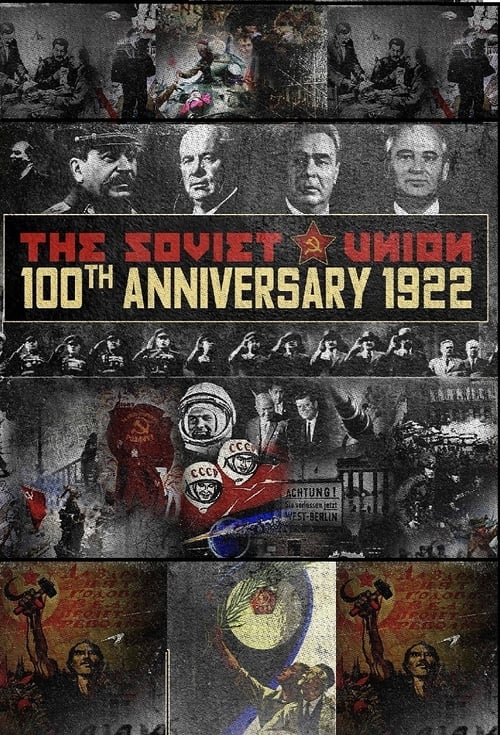
Nikita Khrushchev was a prominent Soviet leader known for his role during the Cold War. He is recognized for his leadership during the Cuban Missile Crisis and for de-Stalinization efforts. His career was marked by his passionate speeches and a distinctive style that combined both... Read More
Known for
Personal details
Credits
| Year | Title | Character | Rating |
|---|---|---|---|
| 2022 |
Dog DealTwo guys steal a phone with important information from an evil guy, behind which there is an even more evil... |
Unknown character |
Latest Release

Got a question about Nikita Khrushchev?
Khrushchev's career highlights include leading the Soviet Union during the Cuban Missile Crisis and initiating de-Stalinization policies. His efforts to improve Soviet agriculture and promote peaceful coexistence with the West also marked significant moments in his leadership.
While not known for traditional awards, Khrushchev received recognition from various Communist parties worldwide for his leadership and policies during the Cold War.
Khrushchev's first significant political role was as the First Secretary of the Communist Party of Ukraine in 1938, where he began to rise through the ranks of the Soviet government.
Khrushchev's most successful policies included agricultural reforms and the promotion of scientific and technological advancements, which aimed to boost the Soviet economy and improve living standards.
Khrushchev married Nina Petrovna and had three children. His family life was often overshadowed by his political career, but he maintained a close relationship with his wife and children throughout his life.
Nikita Khrushchev's estimated net worth at the time of his death was approximately 5 million USD, reflecting his status as a high-ranking political leader in the Soviet Union.
Khrushchev did not have a filmography in the traditional sense but appeared in various documentaries and historical footage that chronicled his life and leadership during the Soviet era.
Khrushchev's leadership style was more open and confrontational compared to his predecessors, emphasizing public speeches and a more personal connection with the populace, which marked a shift in Soviet political culture.